Double Eyelid Surgery Seoul Korea
What Is Double Eyelid Surgery?
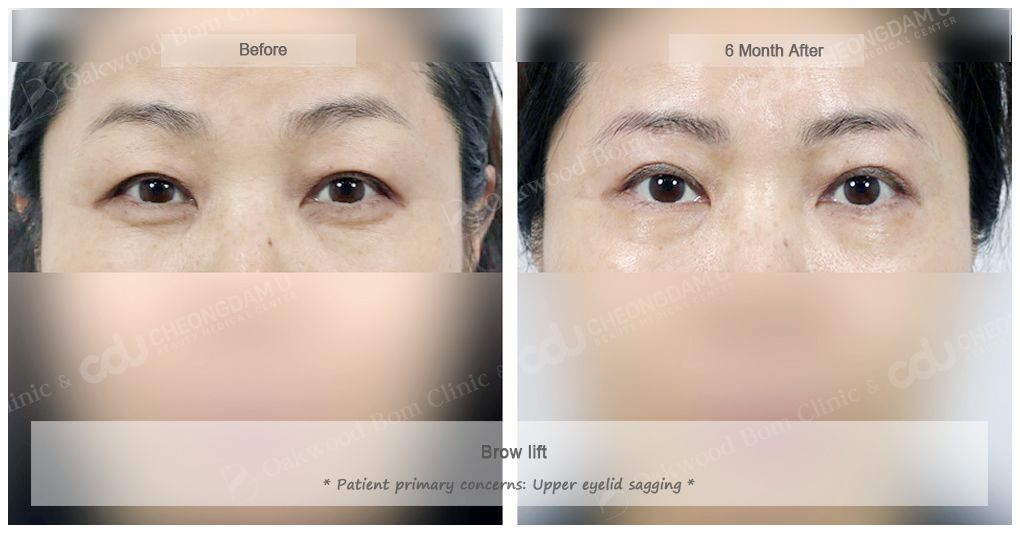
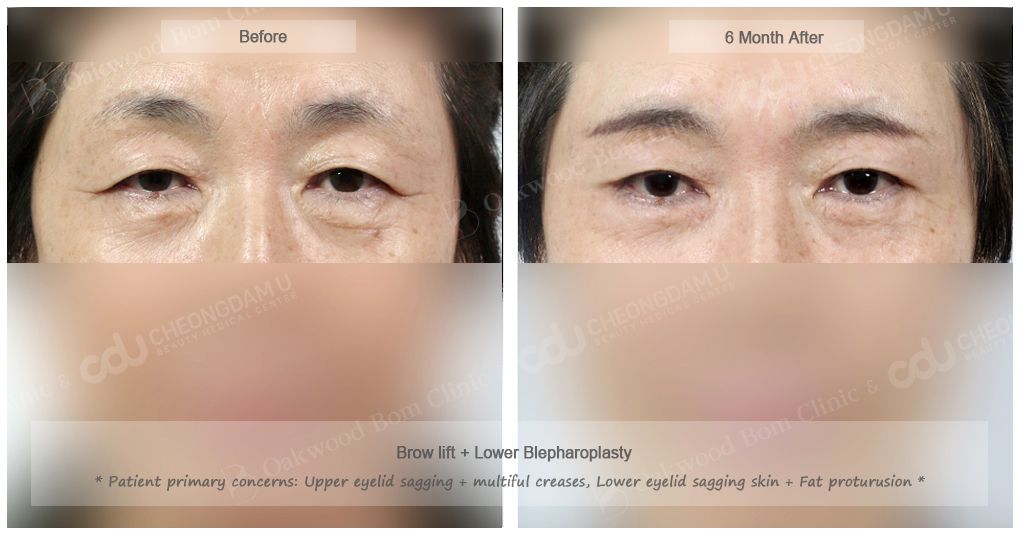
Double eyelid surgery (upper blepharoplasty) shapes the eyelid to form a visible fold, making the eyes appear:
- Brighter
- Larger
- More defined
- More symmetrical
The goal is a crease that blends seamlessly with your natural anatomy—not too high, not too sharp, and never artificial-looking.
What Double Eyelid Surgery Can Improve
Patients seek this procedure to correct:
- Single eyelids with no visible crease
- Uneven eyelids
- Low, faint, or poorly formed creases
- Heavy or puffy upper lids
- Hooded or droopy skin
- Desire for a more open and refreshed look
Seoul’s techniques emphasize naturalness and personalization.
Popular Double Eyelid Techniques in Seoul
1. Non-Incisional (Suture) Method
A minimal-invasive technique using tiny internal sutures.
Benefits:
- Quick recovery
- Small swelling
- No external scarring
- Ideal for patients without significant excess skin
2. Partial-Incisional Method
Combines stability and minimal invasion.
Benefits:
- Suitable for mild excess skin or fat
- More durable than the suture method
- Soft, natural crease formation
3. Full Incisional Method
Allows full control over eyelid shape, fat, and muscle.
Benefits:
- Best for thick skin or significant excess
- Highly stable and long-lasting
- Ideal for patients wanting structural refinement
Who Is a Good Candidate?
You may be suitable if you:
- Want a natural double eyelid crease
- Prefer brighter, more open-looking eyes
- Have uneven or asymmetric eyelids
- Have heaviness or sagging skin
- Want a crease height customized for your face
- Desire a long-term structural result
Why Seoul Is a Top Destination for Double Eyelid Surgery
Seoul is renowned for:
- Highly refined crease design
- Artistic shaping tailored to each patient
- Conservative, natural-looking results
- Advanced minimal-incision methods
- Expertise in Asian and mixed-ethnicity eyelid anatomy
- High-volume surgical precision
The focus is soft, elegant, and proportionate eyes that suit your face.
Recovery Overview
- Swelling reduces significantly within 3–7 days
- Sutures (if used) removed around day 5–7
- Bruising varies but often resolves within a week
- Normal activities resume in 5–10 days
- Crease continues to refine over 1–3 months
HAVE A QUESTION?
Treatment that
MAY INTEREST YOU
Botox
Dermal Filler
Ultherapy
Thermage
HAVE A QUESTION?
Before & After